Designed microbial solutions

Breathing life
into dead soil

Industrial processes leave damaged ground behind and pour value out as waste. Deep Root designs living microbial systems for both ends, bringing the harshest ground back to life, and capturing industrial discharge at the source to convert it into valuable compounds.

Our approach

We work with
native plants

The species that already belong to a landscape are the ones that can heal it. We design the microbes that live within them, so native plants can reclaim the ground they came from.

Every native landscape sets its own hard problem
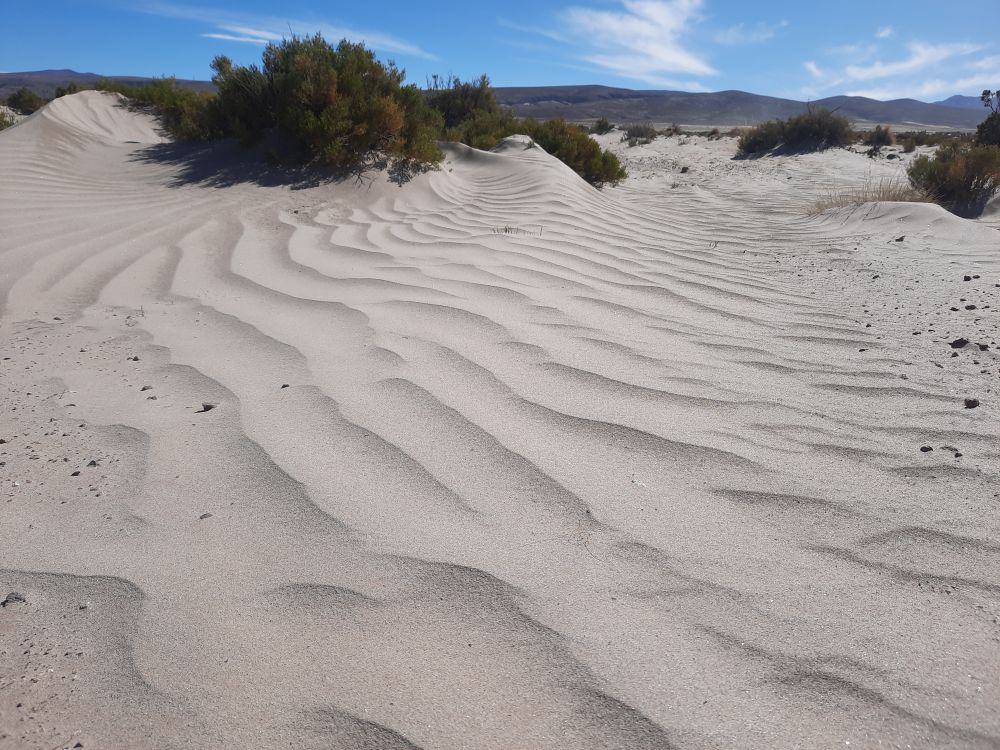
Drylands
Heat · Drought

Drylands

Deep-rooted shrubs, bunchgrasses, and succulents endure here on a fraction of the water other plants need. Thin, unstable soils and relentless heat give young roots almost nothing to hold onto.

Wetlands
Flood · Low oxygen

Wetlands

Sedges, rushes, and reeds root in saturated ground along the water's edge. They have to survive flooding, shifting water levels, and soils starved of oxygen.

Grasslands
Fire · Grazing

Grasslands

Deep-rooted perennial grasses and wildflowers build some of the richest soils on the planet. Drought, fire, and heavy grazing constantly test what can hold its ground.
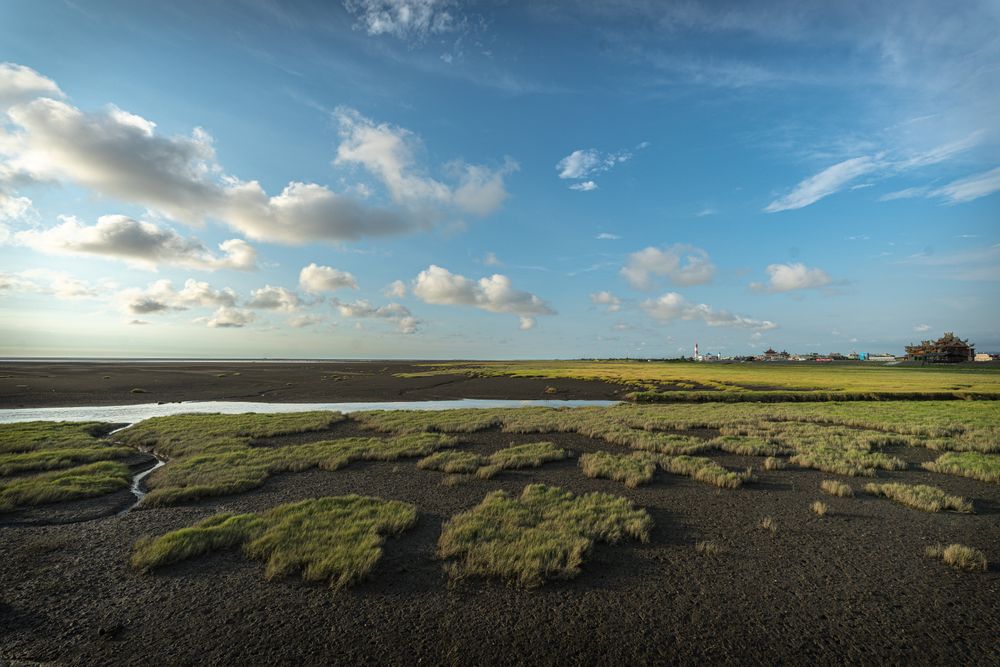
Coastal & saline
Salt · Erosion

Coastal & saline

Salt-tolerant grasses and halophytes anchor shifting dunes and salt-laden soils. Constant salt, wind, and erosion make them vital for protecting coastlines and reclaiming saline farmland.

The ground we start with

Where nothing grows

Abandoned mines, tailings, and industrial sites leave behind ground that defeats conventional revegetation. Seed it and it fails, the soil is too toxic, too acidic, too dead to hold a root. And the processes that left it this way are still running upstream, discharging streams we could be capturing instead of cleaning up later.

Heavy metals

Lead, arsenic, and other metals that poison germinating seedlings before they establish.

Acidic drainage

Low-pH runoff from mine waste that strips nutrients and burns young roots.

No organic matter

Bare mineral spoil with none of the microbial life healthy soil depends on.

Erosion & drought

Compacted, exposed surfaces that shed water and wash away before cover takes hold.

The platform

Life, from the inside

Our microbial solutions live within plant tissue. We design them to give a plant what it needs to survive ground that would otherwise kill it, working from inside the plant, where it counts.

01 / Root

Roots that
take hold

Our microbes drive vigorous root growth, so seedlings anchor and reach moisture in loose, hostile spoil.

02 / Survive

Stress
tolerance

They buffer the plant against metal load, drought, and acidity, the stresses that normally stop revegetation cold.

03 / Stay

Staying
power

Living inside the plant, the microbe travels and persists with it, protection that stays put instead of washing away.

Why inside the plant? Surface treatments and soil amendments wash out, break down, and have to be re-applied. Our microbes establish with the plant and work from within its tissue, a durable, self-renewing partnership rather than a one-time input.

The outcome we build toward

Living cover, rebuilt from the roots up

Where we work

Revegetation & remediation

We partner on sites where standard revegetation stalls, stabilizing ground, rebuilding soil, and putting durable living cover back on degraded land.

The other end

Capture it. Convert it.

Revegetation meets industry's damage after the fact. The other end of our platform works upstream, capturing an industrial process at the point of discharge and putting engineered biology to work turning that stream into valuable compounds. The output that was a liability becomes a feedstock.

From agricultural & lignocellulosic waste

Biomanufacturing feedstock

Engineered microbes break down the cellulose and lignin in crop residue and other agricultural waste into the fermentable sugars and aromatic building blocks that biomanufacturing runs on, turning a disposal problem into feedstock.

From waste carbon streams

Pigments & actives

Engineered soil bacteria upgrade waste-derived carbon into pigments, flavonoids, and resveratrol, high-value compounds built from streams a process would otherwise burn or dump.

From metal-bearing effluent

Rare earths & copper

Biological capture pulls rare earth elements and copper straight out of process water at the outfall, recovering the metal before it leaves the site as contamination downstream.

Matched to your stream

Built to fit

Point us at a discharge and we design the organism around it, pairing chassis and pathway to what the process actually emits, and to the compound worth making from it.

Two ends of the same problem. On one end, we make revegetation possible on the ground industry has already damaged. On the other, we intercept the discharge before it becomes damage, capturing the stream at its source and converting it into something worth selling. The same engineered biology, aimed at either end of the process.

Who we are

Built on hard science and a harder problem

Deep Root Biolabs is a spinout of the Johns Hopkins University Applied Physics Laboratory, based in Baltimore, Maryland. We pair a validated microbial platform with real-world environmental deployment credentials, across revegetation and the valorization of industrial waste streams.

Meet the team

John Sittmann, PhD

John Sittmann, PhD

Co-Founder · CEO
Tom Curtis, PhD

Tom Curtis, PhD

Co-Founder · CTO
Renee Hodges

Renee Hodges

Business Development · Strategy Advisor
Lambros Tassoulas, PhD

Lambros Tassoulas, PhD

Plant Science Lead
Darby Sweeney, PhD

Darby Sweeney, PhD

Project Manager
Start a project

Ground that won't grow?
A stream worth converting?

Tell us about your site or your discharge stream. We'll tell you straight whether our platform is a fit, and what a demonstration would look like.

Prefer email? info@deeprootbio.com